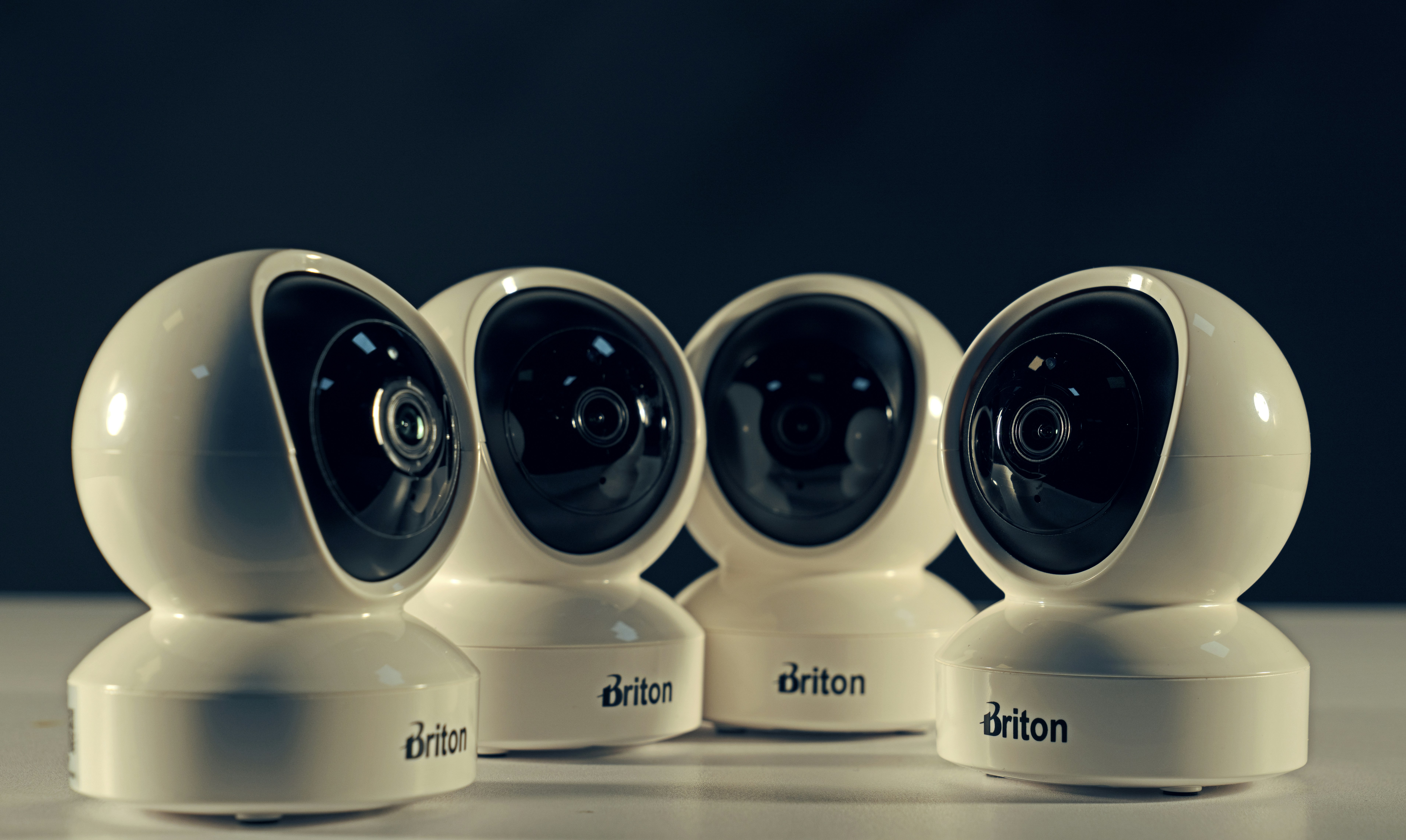
Introduction to Home Security Systems
يرجى إدخال المنتج (المنتجات) ASIN(s)!
In today’s world, the significance of home security systems cannot be overstated. These systems play a vital role in safeguarding residences against various threats such as burglary, vandalism, and other forms of intrusion. With an increase in crime rates and the growing concern for personal safety, choosing a dependable home security system has become a priority for many homeowners. The essence of home security lies not only in protecting physical assets but also in providing peace of mind to families.

- 1 FREE month of professional monitoring for fast police response when you need it most. With optional monitoring service…
- Complete control of your system with the SimpliSafe App – Arm, disarm and protect anytime, anywhere.
- See what’s happening inside – The SimpliCam Wired Indoor Security Camera lets you see what’s happening at home anytime f…
Home security systems typically encompass a variety of components including alarms, surveillance cameras, motion sensors, and sometimes remote access controls. The primary objective of these systems is to deter criminal activity through visible security measures and prompt an immediate response if an incident occurs. By understanding how these systems function, consumers can make informed decisions when selecting a solution that best fits their needs.
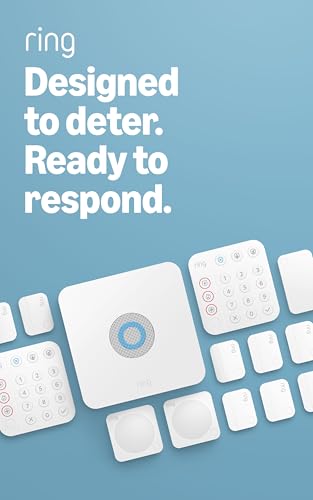
- A great fit for 2-4 bedroom homes, this Alarm Kit includes one Base Station, two Keypads, eight Contact Sensors, two Mot…
- Includes an intuitive Keypad that can arm and disarm your Alarm and Contact Sensors that detect when doors or windows op…
- Choose the Ring Alarm Kit that fits your needs and detect even more with additional Alarm Sensors and accessories (sold …
This guide is tailored for beginners seeking to navigate the complex landscape of home security systems. Throughout this post, we will discuss the different types of systems available, considerations for installation, and essential features to look for to enhance security. Additionally, we will provide tips for assessing individual security requirements based on unique living situations and potential vulnerabilities.
يرجى إدخال المنتج (المنتجات) ASIN(s)!By the end of this guide, readers will have a clearer understanding of how to choose the best home security system tailored to their specific needs, ensuring not only the protection of their property but also the safety of their loved ones.
يرجى إدخال المنتج (المنتجات) ASIN(s)!
Understanding Different Types of Home Security Systems
Home security systems are essential for safeguarding properties, and they come in various forms to cater to diverse needs. The primary types include traditional wired systems, wireless systems, and smart security systems. Each system has unique features that affect functionality, installation, and overall user experience.
Traditional wired systems consist of physical connections between components such as cameras, alarms, and control panels. They are often considered reliable due to their stability and immunity to signal interference. However, the installation process can be complex, requiring professional assistance and significant time. Additionally, homeowners may face higher costs if they need to add or relocate components in the future.
يرجى إدخال المنتج (المنتجات) ASIN(s)!Wireless systems, in contrast, utilize Wi-Fi or cellular data to communicate. This system’s main attraction is its ease of installation; many users can set them up independently without professional help. Moreover, wireless systems offer flexibility in terms of locations, allowing for easy modification of placements. Despite these advantages, they come with potential drawbacks, such as a reliance on battery power and susceptibility to hacking if not properly secured.

- Simple to set up. Seriously secure – Get ready to protect right out of the box. Just plug in the Base Station, follow th…
- Smart home compatible – Arm your system at home with Google Assistant or Amazon Alexa.
Smart security systems integrate with home automation technologies, offering enhanced control via smartphones or other devices. These systems often include features such as remote monitoring, real-time alerts, and video streaming. The convenience and cutting-edge technology appeal to many users. However, they require a stable and fast internet connection, making them sometimes less reliable than wired systems, particularly in rural areas with poor connectivity.
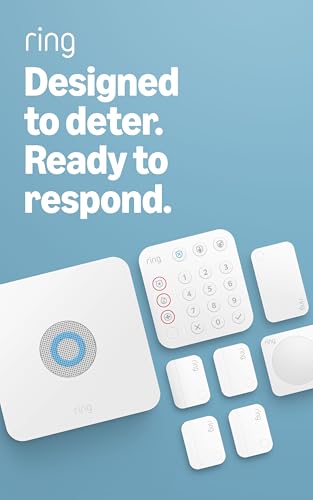
- A great fit for 1-2 bedroom homes, this kit includes one base station, one keypad, four contact sensors, one motion dete…
- Includes an intuitive Keypad that can arm and disarm your Alarm and Contact Sensors that detect when doors or windows op…
- Choose the Ring Alarm Kit that fits your needs and detect even more with additional Alarm Sensors and accessories (sold …
In choosing the best home security system, individuals must consider their specific needs, budget constraints, and technical comfort levels. Understanding the differences among wired, wireless, and smart systems will empower consumers to make informed decisions that enhance their home’s security.

Assessing Your Home Security Needs
When considering the best home security system for your residence, the first step involves assessing your specific security needs. This process requires an evaluation of several factors, including the size of your home, the crime rates in your neighborhood, and your personal lifestyle.
The size of your home plays a crucial role in determining the type and extent of security measures required. Larger properties may necessitate more comprehensive monitoring systems, including multiple cameras and additional alarm sensors to cover all entrances and vulnerable points. Conversely, smaller homes might benefit from a simplified setup that still provides adequate protection.
Next, reviewing the crime rates in your area is essential. Communities with higher crime rates often require more robust security measures. This could mean investing in surveillance systems, motion detectors, and even neighborhood watch programs. Homeowners should also consider researching local crime trends, as the types of crimes predominant in your vicinity can help inform what kind of security is most pertinent.
Equally important is assessing your personal lifestyle and the daily habits of your household. For instance, families with children may require additional security measures, such as alarm systems that alert them while home. If you have frequent visitors or maintenance personnel accessing your home, you may also wish to invest in systems that allow remote access control, enabling you to monitor entry points and maintain security even when you are away.
Additionally, conducting a thorough risk assessment of your property can identify vulnerabilities. Look for areas with poor visibility, lack of lighting, or easy access points that could be exploited by intruders. By addressing these vulnerabilities, you can make informed decisions about the best home security system to meet your needs effectively.

Key Features to Look For
Choosing the right home security system involves understanding the essential features that enhance your home’s safety and security. One of the primary features to consider is 24/7 monitoring. This ensures that your home is monitored around the clock, providing immediate response to any security breaches or emergencies. A consistent monitoring service can make a significant difference in preventing intrusions and protecting your property.
Another important aspect is mobile app access. With mobile integration, homeowners can control and monitor their security systems remotely. This feature allows you to receive real-time alerts and check live feeds from security cameras, giving you peace of mind whether you are at home or away. The ability to manage your system via a mobile app contributes significantly to user convenience and operational efficiency.
Video surveillance is also crucial when evaluating home security systems. High-definition cameras can provide clear visuals, allowing you to identify visitors, deter intruders, and gather evidence if necessary. Modern systems often include features like night vision and motion detection, which further enhance their effectiveness.
Moreover, an effective alarm system is a foundational element of security. A high-quality alarm can notify you and local authorities in the event of a break-in, drastically improving response times. Many contemporary systems come equipped with advanced sensors that can detect motion, glass breaking, and unauthorized entry.
Finally, consider systems that offer integration with other smart home devices. This allows seamless operation between your security system and other smart devices such as lights, locks, and thermostats. Such integration not only enhances convenience but also boosts overall home security, enabling users to create customized responses to various situations.
The Role of Professional vs. DIY Installation
When considering the installation of a home security system, homeowners often face a pivotal decision: whether to opt for professional installation or to undertake a do-it-yourself (DIY) approach. Each method comes with its distinct advantages and disadvantages that can significantly influence the overall effectiveness of the security system.
Professional installation usually ensures that the system is installed correctly by trained technicians who have the necessary expertise. This method is particularly beneficial for complex systems that require precise configurations, as professionals can assess the unique needs of a home and optimize the security features. However, these services typically incur additional costs, which can dissuade budget-conscious homeowners. Furthermore, appointment scheduling may introduce delays, which could leave a property vulnerable during the waiting period.
On the other hand, DIY installation offers a more economical option, as homeowners can save on labor costs by installing the system themselves. Many modern home security systems are designed for easy setup, with user-friendly instructions and pre-configured components that simplify the process. This can appeal to tech-savvy individuals who feel comfortable with basic installation tasks. Nonetheless, the DIY route can demand a certain level of technical capability; some homeowners might find the process daunting or overwhelming, particularly if unexpected issues arise during installation.
Ultimately, the choice between professional and DIY installation may hinge on individual preferences, budget considerations, and the complexity of the security system. Homeowners should weigh the costs against their technical comfort level and the potential risks of improper installation. By analyzing these factors, individuals can make an informed decision that best suits their security needs.

Evaluating Cost and Contracts
When considering a home security system, evaluating the costs involved is crucial for making an informed decision. It is essential to examine not only the upfront installation costs but also the monthly monitoring fees associated with the service. Upfront costs may include equipment purchases, installation fees, and any additional accessories, such as cameras or keypads. Monthly monitoring fees can vary significantly between providers, and they often dictate the level of service and support you will receive.
It is also wise to clarify potential hidden costs that may arise. For instance, some companies impose fees for equipment upgrades, service calls, or changes to your service plan. Being aware of these costs upfront will aid in determining the long-term affordability of a security system.
Beyond the costs, it is imperative to thoroughly review the contracts offered by the home security providers. Contracts often contain critical information regarding the scope of service, the duration of the agreement, and renewal policies. Understanding the cancellation terms is equally important, as some companies may impose hefty fees for early termination of service. Many contracts also include detailed warranty options for equipment, which provide peace of mind against potential defects or malfunctions.
Moreover, when evaluating contracts, look for flexibility in choosing service tiers or adjusting contracts to meet your changing security needs. This aspect is particularly valuable for those who may need to expand their home security system as their circumstances evolve. By carefully analyzing these factors, you can ensure that the selected home security system will not only fit your budget but also provide you with the best possible protection.
يرجى إدخال المنتج (المنتجات) ASIN(s)!Researching and Comparing Home Security Providers
Choosing the best home security system begins with thorough research and comparison of different providers. Start by gathering a list of potential home security companies in your area. A simple online search can yield valuable results, but it is crucial to dig deeper to ensure you obtain comprehensive information about each provider.
Reading customer reviews can provide significant insights into the performance and reliability of a security provider. Look for reviews on multiple platforms, including the company’s website, social media, and independent review sites. Be cautious of overly positive or negative reviews, as they may not accurately reflect the provider’s overall reputation. Instead, look for patterns in feedback regarding service quality, equipment reliability, and overall satisfaction.
Additionally, it is essential to check for any accreditations or certifications held by the security company. Organizations such as the Better Business Bureau (BBB) can offer information regarding a company’s standing and commitment to quality service. A provider that is accredited can signal a level of professionalism and trustworthiness, which is particularly important when selecting a home security system.
Consider the importance of customer service and support when evaluating different providers. Ensure that they offer responsive support channels, such as phone, email, or live chat, so that you can reach out for assistance if needed. A company’s availability for troubleshooting and answering questions can be a vital factor in your overall experience with the home security system.
Lastly, take the time to compare the equipment and features offered by each provider. Some may specialize in advanced technology or smart home integrations, while others might focus on traditional security measures. Understanding the pros and cons of each offering can help guide your final decision, ensuring that it meets your specific needs.

Conclusion and Final Thoughts
Choosing the right home security system is a significant decision that requires careful consideration and research. Throughout this guide, we have explored various aspects of home security, including identifying personal needs and budgets, evaluating different types of security systems, and understanding the features that enhance safety. One of the most important takeaways is the necessity of conducting thorough research to find the system that best suits your situation.
As you undertake this process, consider your lifestyle and the specific security requirements of your home. Whether you prioritize smart technology integration, entry point protection, or comprehensive monitoring options, ensure that your final choice aligns with your preferences and living circumstances. Additionally, assessing the level of customer support and service offered by security providers can significantly impact your overall satisfaction with the system.
It is also essential to keep your long-term security needs in mind. As your circumstances change, so may your security requirements. Therefore, selecting a flexible and scalable home security system can provide you with peace of mind in an evolving environment. Furthermore, repetition of a singular brand or option can limit your choices; explore various products within the marketplace and do not hesitate to seek expert reviews.
In closing, investing time to thoughtfully assess your home security options can greatly enhance the safety and well-being of your home and the individuals within it. Take pride in making a well-informed decision that prioritizes safety while also catering to your personal needs and preferences. Your vigilance in this process is a key step towards creating a secure living environment.

Additional Resources and Tips
Choosing the right home security system can be a daunting task, but equipping yourself with helpful resources and tips can make the process smoother. Several websites offer comprehensive reviews of security systems, helping you understand various features, pricing, and customer experiences. Websites like PCMag, CNET, and Consumer Reports provide in-depth analyses and comparisons to support informed decisions. You may also want to explore user forums, which offer firsthand insights and advice from individuals who have installed home security systems.
In addition to reviews, consider utilizing online tools that facilitate self-assessment of your security needs. Free online security checklists can help you determine vulnerabilities in your home. These checklists often cover various aspects such as door and window security, lighting, and exterior visibility, enabling you to pinpoint areas that require enhanced protection. Furthermore, local law enforcement agencies usually provide safety assessments and recommendations, which can be invaluable in tailoring your security systems to your specific environment.
Once your home security system is installed, maintaining its efficiency is crucial. Regularly testing alarms, sensors, and cameras can ensure they function properly. It’s advisable to set reminders for periodic battery replacements, software updates, and system checks. Additionally, familiarize yourself with your security provider’s guidelines regarding equipment maintenance and customer support services, as these can help you address potential issues swiftly.
Moreover, staying informed about emerging security technologies can enhance your home safety further. Educational resources like online webinars, local workshops, or community programs can offer insights into the latest trends in home security. Remember, home safety is an ongoing endeavor, requiring regular evaluation and improvement to keep up with evolving threats.